Hose Fittings Caboolture
- Quality hydraulic hoses and fittings for all machinery
- Fast hose repairs, replacements and leak fixes
- Trusted local hydraulic hose specialists serving Caboolture and Moreton Bay
Send Your Repair Request Using the Form Below
call us for same day service
FIND US AT 14 COMMERCIAL DR, CABOOLTURE, QLD, 4510
A Small Leak in a Hose Fitting Quickly Becomes a Big Problem
Almost every major hydraulic failure begins with something small.
A tiny wet spot on a fitting.
A hose that looks slightly cracked.
A fitting that feels a little loose.
Most operators keep working because the machine still moves — until the moment it doesn’t.
A minor drip becomes a high pressure spray.
A cracked hose bursts under load.
A worn fitting drops pressure and overheats the entire system.
And once hydraulic oil starts leaking, the machinery stops, the job stops and the costs start stacking up fast.
That is why machinery owners across Caboolture rely on Caboolture Hydraulics for fast, accurate repairs to hydraulic hoses and fittings.
What Do Hose Fittings Actually Do?
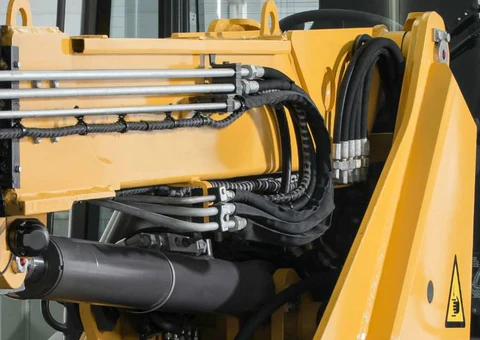
Hose fittings may look like simple metal connectors, but they perform one of the most critical jobs in the hydraulic system. Hose fittings create a sealed, high pressure connection that keeps hydraulic oil moving through the system safely and efficiently. They prevent leaks, maintain pressure and ensure correct flow between major components such as:
- Cylinders
Lift arms, booms, rams and steering cylinders rely on secure fittings to prevent drift and pressure loss. - Pumps
The pump can only deliver reliable pressure if fittings are sealed correctly on both suction and pressure sides. - Motors
Hydraulic motors require steady flow. A worn fitting may starve the motor and cause stalling or vibration. - Valves and control blocks
These regulate direction and flow. One leaking fitting here affects the entire machine’s performance. - Attachments and implements
Every tool that relies on hydraulics needs secure hose connections to operate under load.
Common Signs Your Hose Fittings Need Repair
Small symptoms escalate quickly. If you see any of the following signs, the hose or fitting may be close to failing:
Visible oil seepage
Small wet spots usually mean a fitting is loosening or a seal has started to fail.
Cracked or bulging hose near the fitting
This is a warning sign that a burst is approaching.
Loss of pressure or weak lifting
Pressure loss may be happening at a fitting before it becomes visible.
Spray or misting of hydraulic oil
Tiny sprays become dangerous high pressure leaks very quickly.
Oil pooling on the ground after use
A clear sign that a fitting or hose has already failed internally.
Unusual noise or heat from the hydraulic system
Pressure loss at a fitting forces the pump to work harder, overheating the system.
If you notice any of these symptoms, contact us early through the Contact Us page.
Our Hose Fittings and Hydraulic Hose Service Includes
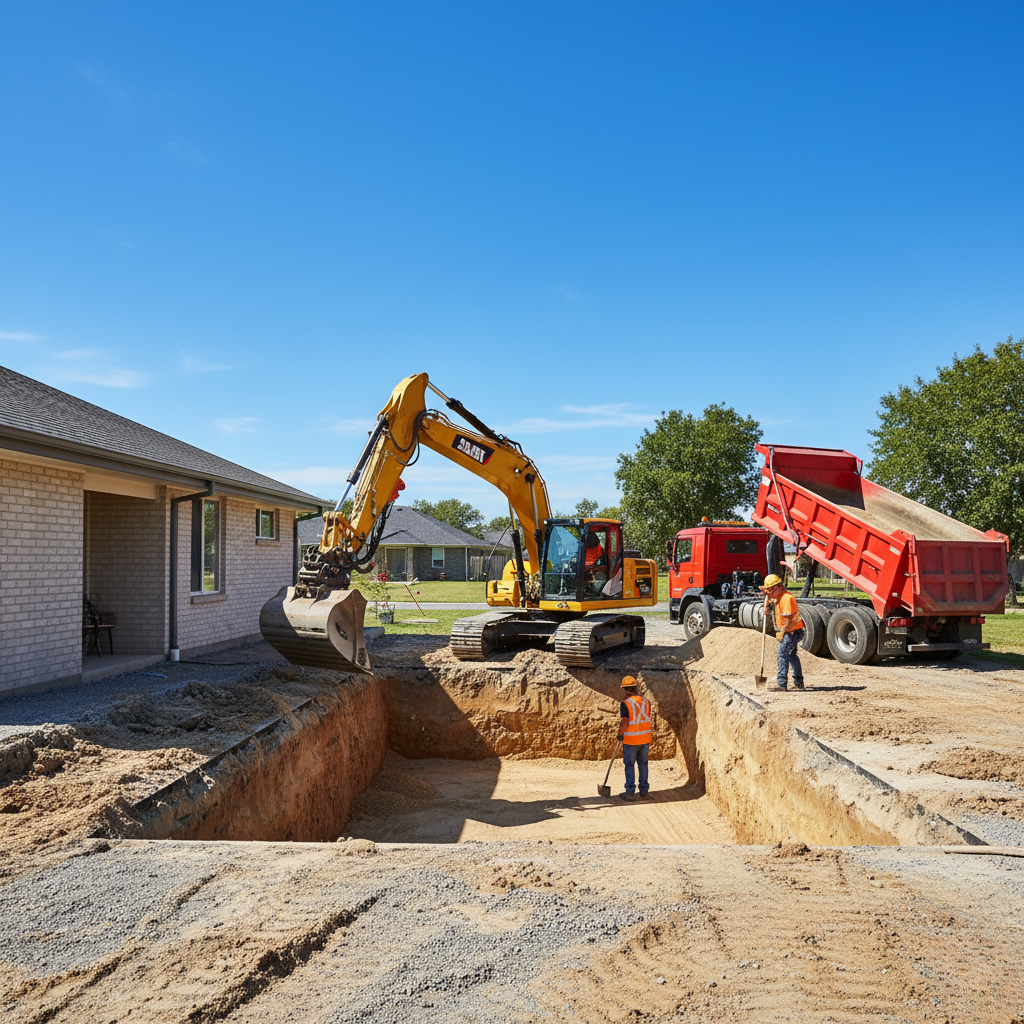
We provide complete hydraulic hose and fitting services for farming, earthmoving, landscaping, civil and industrial machinery.
Types of Hose Fittings:
Hose Fitting Replacement
We replace worn, cracked or leaking fittings with high quality components suited to your machine and working pressure.
Custom Hydraulic Hose Fabrication
We supply and build new hydraulic hoses sized correctly for tractors, Bobcats, excavators and industrial equipment.
Hose and Pipe Repairs
We fix hydraulic hoses, steel hydraulic piping and return lines that have been rubbed through, kinked or damaged on-site.
Leak Detection and Pressure Testing
We confirm the true cause of pressure loss rather than replacing parts unnecessarily.
Correct Hose Routing and Reinforcement
Wrong hose placement causes premature wear. We correct routing to prevent future damage.
Replacement of Seals, O-rings and Adapters
Small sealing components often cause large leaks. Replacing these can restore system performance quickly.
Machinery We Work With:
We repair and replace hydraulic hoses and fittings across all types of machinery used in farming, earthmoving, landscaping, civil work and industrial operations.
We regularly service equipment such as:
- Tractors – Hydraulic steering, loaders, three point linkages and rear remotes all rely on strong hose connections.
- Loaders – Constant lifting exposes hoses and fittings to massive pressure spikes.
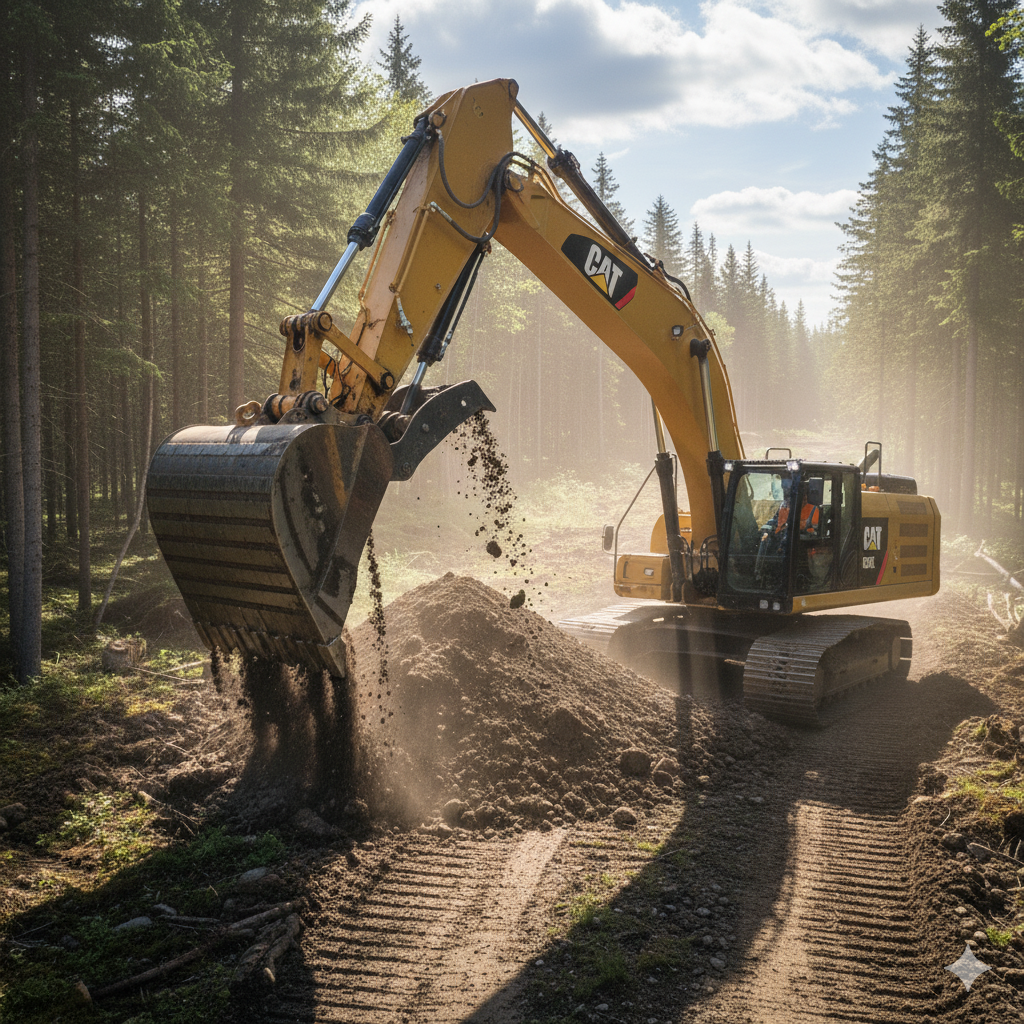
- Excavators – Booms, sticks and buckets use multiple high pressure lines that must remain perfectly sealed.
- Bobcats and skid steers – Attachments and lift arms place high stress on hose routing and fittings.
- Slashers and implements – Hydraulic adjustments and top links depend on reliable hose connections.
- Attachments and auxiliary tools – Grabs, augers, trenchers and grapples rely on stable, leak free hydraulic flow.
- Industrial machinery – Presses, tail lifts, compactors and workshop equipment all use high pressure fittings.
- Utility and council equipment – Road maintenance machinery, mowers and lift systems depend on durable hydraulic hoses.
Components we fix:
- Two wire and four wire hoses – Built for medium and heavy duty applications.
- High pressure and return hoses – From extreme pressure lines to low pressure return circuits.
- Steel hydraulic pipes – Used in tight spaces or high heat areas where rubber hoses are not suitable.
- Banjo fittings – Ideal for compact installations or pivoting connections.
- JIC, ORFS, BSP, NPT and metric fittings – Covering the most common systems used across Australian and imported machinery.
- Straight, 45 degree, 90 degree and full swivel fittings – Custom routing options for any machine layout.
If your hose, fitting or hydraulic piping is not listed, we repair it. Hydraulic components all follow the same principles and we work with virtually all types used in Australian machinery.
Why Machinery Owners Choose Caboolture Hydraulics
Fast hose and fitting repairs
Most hose failures stop work instantly. We aim to get you running again as soon as possible.
High quality hydraulic fittings and hoses
We use fittings designed for pressure, durability and correct sealing, not cheap components that fail early.
Accurate diagnosis to prevent repeat failures
We identify why the fitting failed vibration, abrasion, routing or pressure issues so it does not happen again.
Local workshop, no long drives for repairs
You do not need to go to Brisbane or the Sunshine Coast. Everything is done right here in Caboolture.
Trusted by farmers, contractors and operators
Local machinery owners rely on us because we repair issues properly, not temporarily.
Read More
Read more about Geoff on the About Us page.
Why Hose Fittings Fail (And Why It Happens Fast)
Hydraulic hose fittings rarely fail in a single dramatic moment; they typically break down due to smaller issues that escalate quickly under pressure. Constant vibration from machinery gradually loosens fittings, stresses seals, and creates minor leaks that grow fast, while abrasion against frames, brackets, or other hoses can wear through protective layers until the hose and fitting become strained and may split without warning.
High-pressure spikes from heavy lifting or abrupt stops may force fittings to stretch, crack, or blow out, and incorrect routing—such as poor angles or tension—places excessive load on the connection, leading to premature failure during full lift or extension. Heat from the hydraulic system or nearby engine components can weaken rubber, harden seals, and compromise the tight seal, and oil contamination introduces abrasive particles that erode sealing surfaces until internal leaking and pressure loss accelerate rapidly.
Ageing rubber also reduces flexibility, causing stress to transfer into the fitting, while over-tightening may crush sealing surfaces and under-tightening may cause immediate leaks—both weakening the connection. Once a fitting starts to fail, the leak rarely remains small; pressure loss increases, heat rises, hoses weaken, and the system becomes unsafe, which is why a failing fitting is often an early warning sign of a deeper hydraulic issue and proper diagnosis from a hydraulic specialist matters.
Our Hydraulic Repair Process
Step 1.
Contact and Describe the Issue
A quick call or message through the Contact Us page helps us prepare the right hose or fitting.
Step 2.
Bring the Hose or the Machine
Most operators bring the faulty hose or part to minimise transport time and downtime.
Step 3.
Diagnosis and Leak Identification
We confirm whether the fitting, hose or another component is the true cause.
Step 4.
Replacement or Repair
Fittings are replaced, hoses rebuilt and routing corrected for long term reliability.
Step 5.
Testing and Return to Work
We ensure your repaired hose or fitting holds pressure safely before you leave.
Hose Fittings FAQs
How to determine hose fitting size?
To determine the correct hose fitting size, you generally need to match three things:
1. The hose ID (inside diameter)
This determines how much flow the hose can carry and ensures the fitting seats correctly.
2. The thread or connection type
Common types include JIC, BSP, ORFS, NPT, metric and more. Each has a specific thread shape and angle.
3. The fitting’s seat or sealing surface
Some fittings seal with an O-ring, some with a flare, and others with a tapered thread.
Measuring ID with callipers and checking the thread against a sizing chart is the most reliable way to determine the correct fitting.
Most machinery owners bring the hose or fitting to a hydraulic specialist (like Caboolture Hydraulics) to identify the correct size quickly and avoid mismatched components.
What are the two different methods for connecting hose fittings to hoses?
There are two primary ways hose fittings are attached to hydraulic hoses:
1. Crimped fittings (most common)
These fittings are placed over the hose and compressed using a hydraulic crimping machine.
Crimped fittings create a permanent, strong and leak-free seal and are used on almost all modern hydraulic machinery.
2. Reusable fittings
These fittings screw onto the hose using a threaded outer shell and inner insert.
They are used mostly for low-pressure or emergency repairs but are less common due to lower reliability compared to crimped fittings.
Most machinery uses crimped fittings because they handle high pressure and heavy workloads safely.
What are the different types of hose fittings?
There are many fitting types depending on the machine and the hydraulic system.
Common examples include:
• JIC fittings
Metal-to-metal flare seal, common on earthmoving and agricultural machinery.
• ORFS fittings (O-Ring Face Seal)
Uses an O-ring for a very reliable leak-free seal, ideal for high pressure systems.
• BSP fittings
British Standard Pipe fittings used widely in Australia across tractors and industrial equipment.
• NPT fittings
Tapered thread that seals as it tightens, common in some imported machinery.
• Metric fittings
Common in European and Japanese machines.
• Banjo fittings
Used in tight spaces or where a swivel connection is needed.
Hose fittings also come in straight, 45 degree, 90 degree and swivel variations depending on routing and space.
Can hydraulic repairs be done quickly?
Regular inspection helps catch failures early. Look for:
On the hose:
- Cracks, splits or hardening rubber
• Bulges or soft spots indicating internal damage
• Abrasion marks from rubbing on the frame
• Leaks or wet patches along the hose
• Kinks or crushed sections restricting flow
On the fittings:
- Oil seepage around the connection
• Loose or incorrectly seated fittings
• Rust, corrosion or cracked plating
• Worn O-rings or distorted sealing surfaces
• Misalignment or improper hose routing
Any of these signs may indicate that the hose or fitting is close to failure and needs attention immediately.
What’s the difference between ID and OD?
ID (Inside Diameter)
This measures the width of the internal opening of the hose.
ID determines how much hydraulic oil can flow through and is the key measurement for selecting hose size and fitting size.
OD (Outside Diameter)
This measures the total width of the hose including the outer rubber layers.
OD is used for clamps, routing and abrasion protection.
In hydraulics, ID is the critical measurement when choosing fittings and ensuring the hose matches system flow requirements.
Need Hose Fitting Repairs?
A leaking or damaged fitting will not stay small.
The sooner it is repaired, the less damage it may cause across the hydraulic system.