Hydraulic Equipment Caboolture
- Repairs and servicing for all hydraulic equipment
- Fast diagnosis to restore pressure, performance and safety
- Trusted hydraulic specialist for operators across Caboolture and Moreton Bay
Need help now? Visit our Contact Us page to book a repair.
Please call us for same day service
When Hydraulic Equipment Starts to Fail… Everything Slows Down
Slow, weak or jerky movement
This happens when the hydraulic system can no longer deliver consistent flow or pressure. Cylinders begin hesitating, booms shake under load and steering or lifting becomes unpredictable. This is usually an early warning that a pump is weakening, oil is contaminated or a fitting is starting to fail internally.
Attachments refusing to lift
Implements such as buckets, slashers, trenchers and grapples require stable pressure to operate. When hydraulics weaken, attachments may stall mid-lift or fail entirely. This often forces the operator to stop work immediately to avoid equipment damage or unsafe load handling.
Overheated hydraulic oil
Heat is one of the fastest ways to destroy a hydraulic system. When a component begins to fail, the pump works harder to maintain pressure, causing the oil to heat up quickly. Hot oil loses lubrication, damages seals, accelerates wear and may spread contamination through the entire system.
Leaks that spray under pressure
A small weep may escalate into a high-pressure spray of hydraulic oil without warning. These failures are both dangerous and messy. A single burst hose or fitting may drain litres of oil within seconds and shut the machine down instantly.
Full equipment shutdown
Once the pump fails to build pressure, or a hose bursts under load, the entire machine stops. No steering, no lifting, no attachments and no movement. A complete shutdown often leads to secondary damage across pumps, motors, valves and cylinders — which increases repair time and cost dramatically. And once one hydraulic component begins to struggle, the rest of the system feels it. Hydraulic equipment never fails all at once it fails in a chain reaction.
What Hydraulic Equipment Includes
What Counts as Hydraulic Equipment?
Hydraulic equipment includes every component responsible for creating, controlling and delivering hydraulic power through your machine.
This includes:
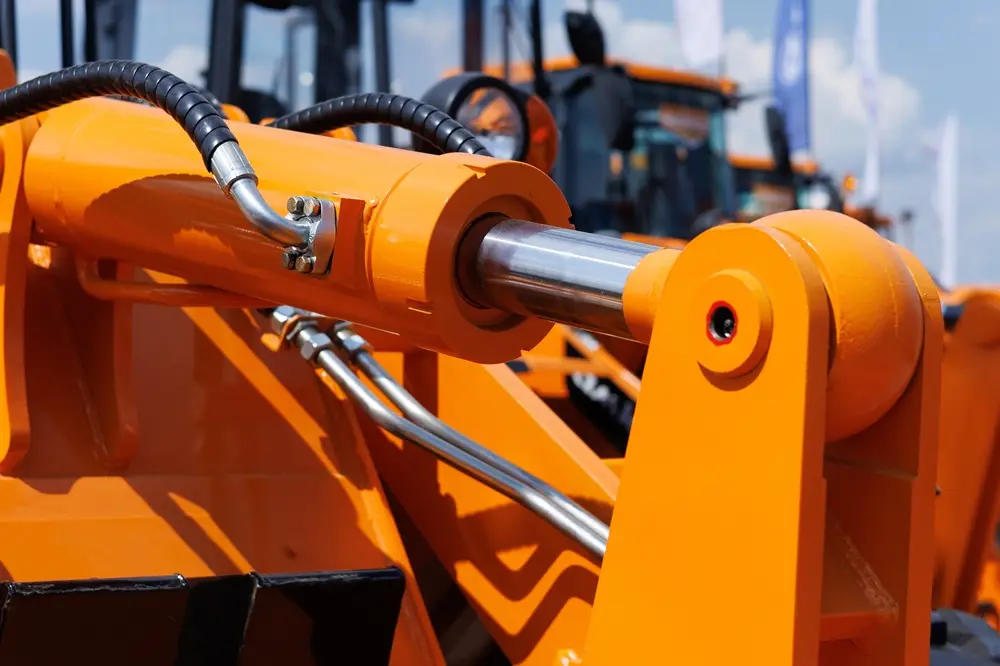
Hydraulic cylinders
Provide lifting, pushing, steering and supporting power. A worn seal or scored rod may cause drift or pressure loss.
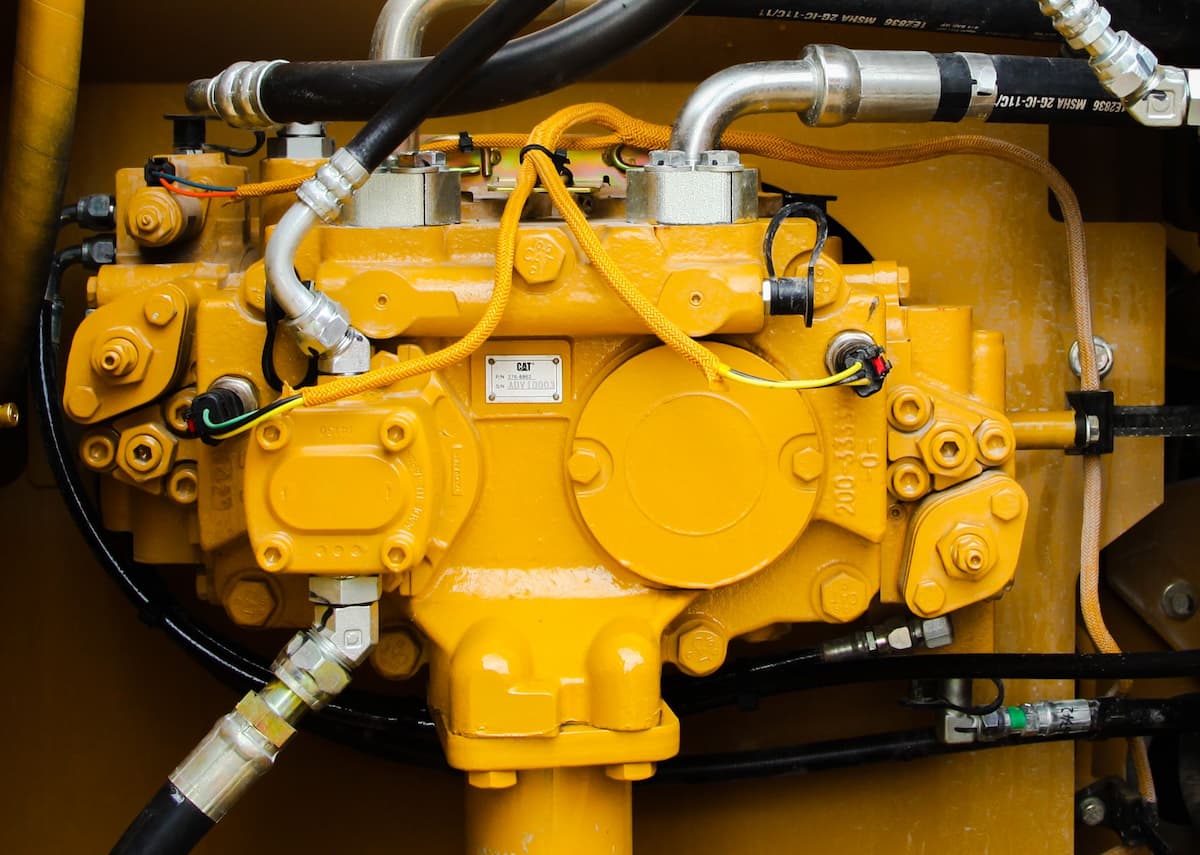
Hydraulic pumps
The heart of the system. Any weakness here affects flow, pressure and every hydraulic function downstream.
Hydraulic motors
Drive rotation and torque for wheels, augers, grapples and attachments. When pumps weaken, motors are usually the next to suffer.
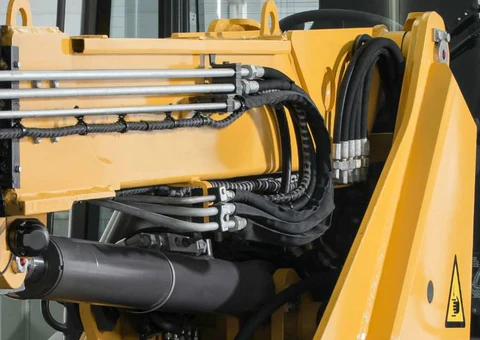
Hydraulic hoses and fittings
Carry high pressure oil. A single cracked hose or fitting may shut down the entire machine.
Valves and control blocks
Direct the flow. When valves wear or get contaminated, movement becomes unpredictable or unsafe.
Hydraulic piping
Steel lines used where hoses cannot handle heat, vibration or tight routing.
Hydraulic components and accessories
Seal kits, filters, O-rings, couplings, adaptors and fluid that keeps the entire system running smoothly.
Every one of these parts works together. When one fails, the others begin compensating, often creating more damage.
Common Problems With Hydraulic Equipment
Hydraulic equipment often shows early symptoms before a full breakdown.
We regularly help operators dealing with:
Slow, weak or delayed hydraulic movement
Often caused by pump wear, leaking fittings or internal bypassing in cylinders.
Hydraulic oil leaks
From hoses, fittings, seals or pipes. Even small leaks may escalate rapidly under load.
Overheating hydraulic systems
Usually caused by contamination, pump wear or incorrect hydraulic flow.
Noisy hydraulics
Whining, rattling or chattering may indicate cavitation or pump starvation.
Pressure loss under load
A sign that hydraulic equipment cannot hold pressure and is beginning to fail internally.
Cylinder drift or unexpected movement
Often caused by worn seals, damaged rods or internal leakage.
Attachment failure or slow operation
Hydraulic equipment may be struggling to deliver enough flow or pressure to run implements.
The sooner these symptoms are diagnosed, the easier — and more cost effective — the repair becomes.
Learn more about these issues on the Services page.
Our Hydraulic Equipment Services
We provide complete hydraulic servicing and repairs for all equipment types including tractors, excavators, Bobcats, skid steers, slashers, loaders, industrial machinery and council equipment.
Hydraulic Equipment Diagnosis
We test flow, pressure, contamination levels and bypassing issues to identify the true cause of failure.
Hydraulic Equipment Repairs
Repairs for cylinders, pumps, motors, hoses, fittings, valves, piping and associated components.
Hydraulic Servicing
Oil changes, filter replacement, seal replacement, leak checks and system maintenance to prevent future failures.
Hydraulic Components Replacement
High quality hoses, fittings, seal kits, pumps, motors, valves and hydraulic components stocked locally to reduce downtime.
Hydraulic System Overhauls
Full inspections and rebuilds for machines suffering long term wear or contamination.
Great Local Reviews
“Marty was very helpful, turned up on time and did the job with no problems. Highly recommend Foster’s Earthworks.”
Why Hydraulic Equipment Fails (And Why the Damage Spreads Fast)
Oil contamination
Dirt, water or metal fragments circulate through cylinders, pumps, valves and motors, accelerating wear across the system.
Pressure spikes
Cause fittings to loosen, hoses to burst and seals to fail under load.
Heat and overworking
Heat thins hydraulic oil, reduces lubrication and damages seals and components quickly.
Ageing hoses and seals
Rubber hardens, cracks and loses flexibility, causing leaks and unsafe pressure loss.
Incorrect routing or installation
Poor hose angles or unsupported lines place excessive strain on fittings and components.
Running low on hydraulic oil
Starves pumps, burns motors and damages internal surfaces.
Hydraulic Equipment We Work On
Hydraulic systems power almost every major movement on modern machinery.
We repair and service hydraulic equipment used across a wide range of industries, including farming, earthmoving, civil construction, landscaping and industrial operations.
Tractors
Hydraulics power loaders, three point linkages, steering, remotes and implements. A single weak hydraulic component may stop an entire workday on the farm.
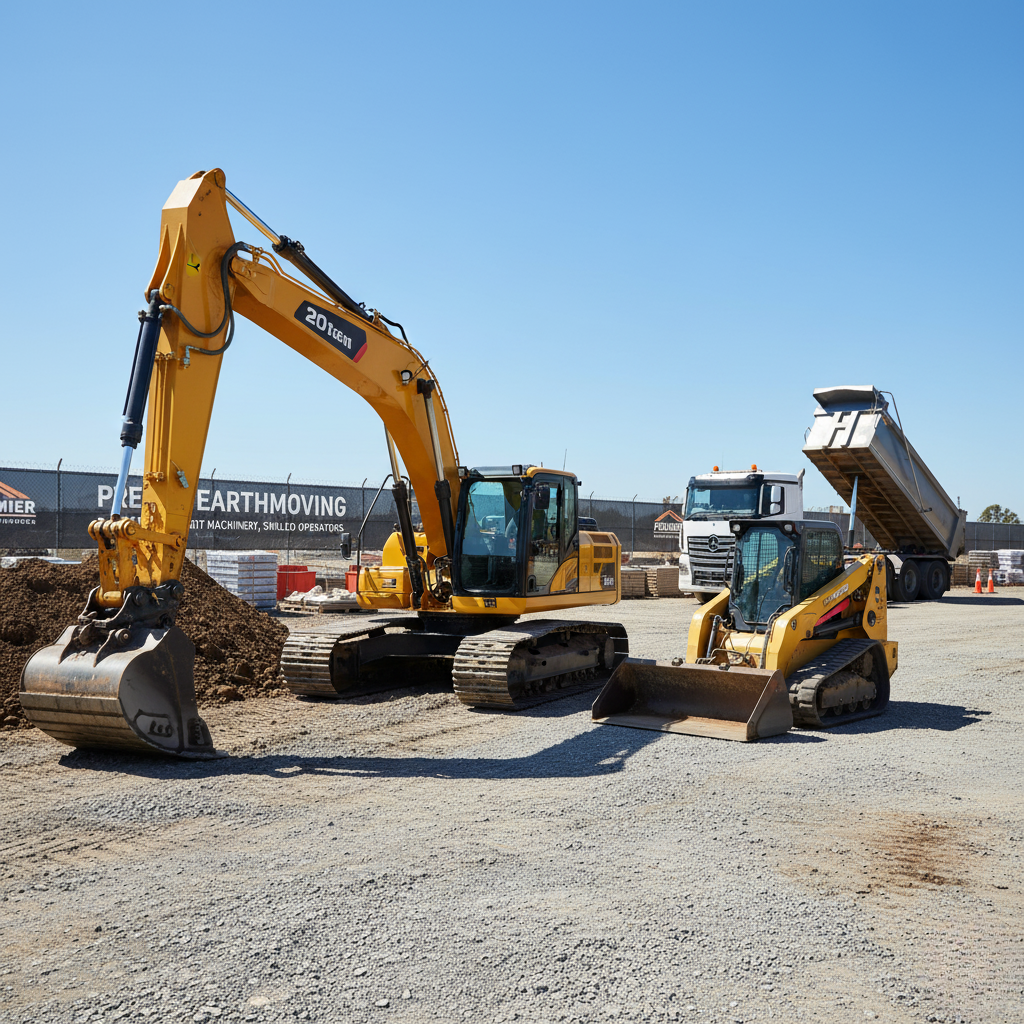
Excavators
Booms, sticks, buckets and auxiliary attachments all depend on high pressure hydraulic systems. Even a minor fitting leak or pump issue may shut down digging entirely.
Bobcats and skid steers
Oil changes, filter replacement, seal replacement, leak checks and system maintenance to prevent future failures.
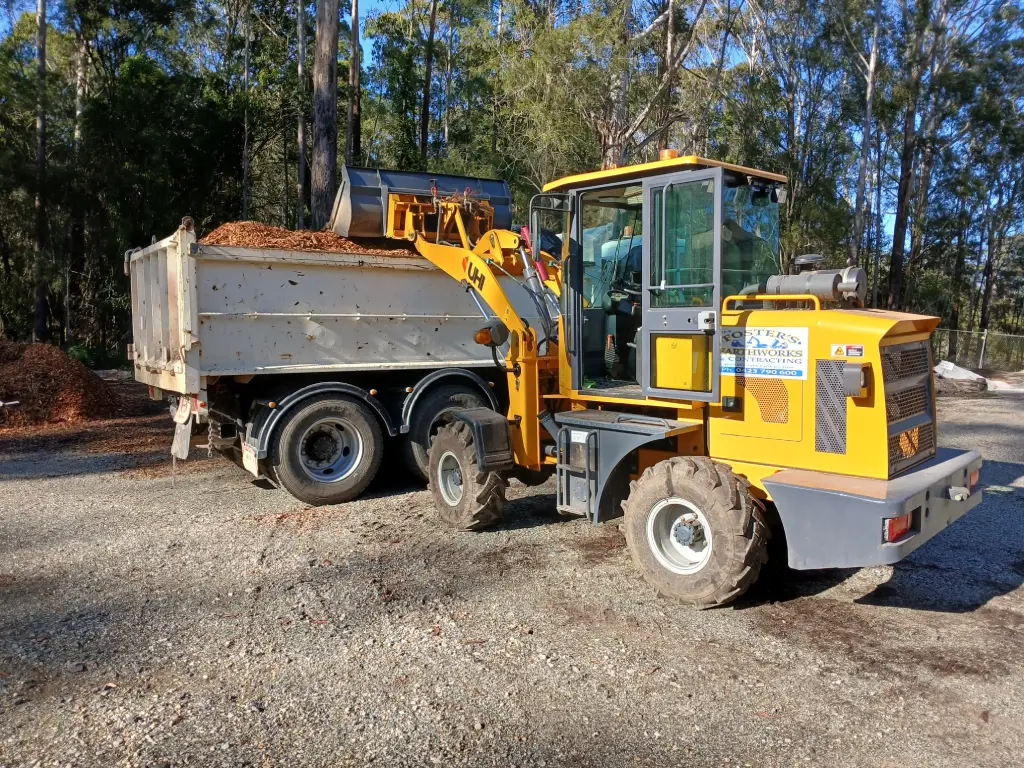
Loaders and backhoes
Constant lifting and repetitive heavy movements place enormous stress on pumps, cylinders and hoses. Proper hydraulic function is essential for safe operation.
Slashers and agricultural implements
Hydraulic adjustments, top links and auxiliary lines must hold pressure reliably or the attachment may fail during work.
Industrial equipment
Presses, compactors, tail lifts and workshop machinery depend on stable hydraulic pressure. Any leak or pressure drop may stop production.
Farming machinery
Sprayers, harvesters, feedout machines and tractors rely on consistent hydraulic flow to perform essential seasonal tasks.
Civil and council equipment
Road maintenance machinery, mowers, trenchers and specialised vehicles require dependable hydraulics to stay on schedule and avoid community delays.
Transport and utility machinery
Tipper trucks, cranes, loaders, tail lifts and service vehicles all rely on hydraulics for lifting, tilting and load handling.
If it has hydraulic flow, pressure or movement, we repair it.
This Includes Work On:
Two wire and four wire hoses
Used in light, medium and heavy duty hydraulic systems. These hoses must withstand extreme pressure cycles without weakening or bursting.
High pressure and return hoses
Pressure lines deliver force while return lines bring fluid back to the tank. Both must be sealed correctly or the entire system becomes unstable.
Steel hydraulic piping
Used in high heat areas or tight spaces where rubber hoses may not survive. Steel pipes require precise bending, sealing and installation.
JIC, ORFS, BSP, NPT and metric fittings
These thread and sealing types vary across machinery brands. Selecting the wrong fitting may cause leaks, thread damage or pressure loss.
Straight, swivel and angled fittings
Correct fitting angles ensure hoses do not rub, kink or strain during movement. Poor routing is one of the top causes of early failure.
Hydraulic pumps, motors and cylinders
The core components of hydraulic power. Weakness in any one of these may damage the entire system if not repaired early.
Filters, valves and couplings
These regulate flow and protect the system from contamination. A blocked filter or worn valve may cause slow movement and overheating.
All hydraulic components used across Australian machinery
Whether it is a common agricultural fitting or a hard to source industrial part, we repair, replace or correctly match components to keep your machine performing reliably.
If your hydraulic equipment is not listed, we repair it.
Hydraulic systems all follow the same principles — and we work on virtually every system used in Australia.
Why Choose Caboolture Hydraulics
We provide complete hydraulic servicing and repairs for all equipment types including tractors, excavators, Bobcats, skid steers, slashers, loaders, industrial machinery and council equipment.
Local workshop with fast turnaround
No driving to Brisbane or the Sunshine Coast. Repairs are completed here in Caboolture.
Accurate testing to prevent unnecessary spending
We confirm the real cause before any repair begins.
High quality hydraulic components stocked locally
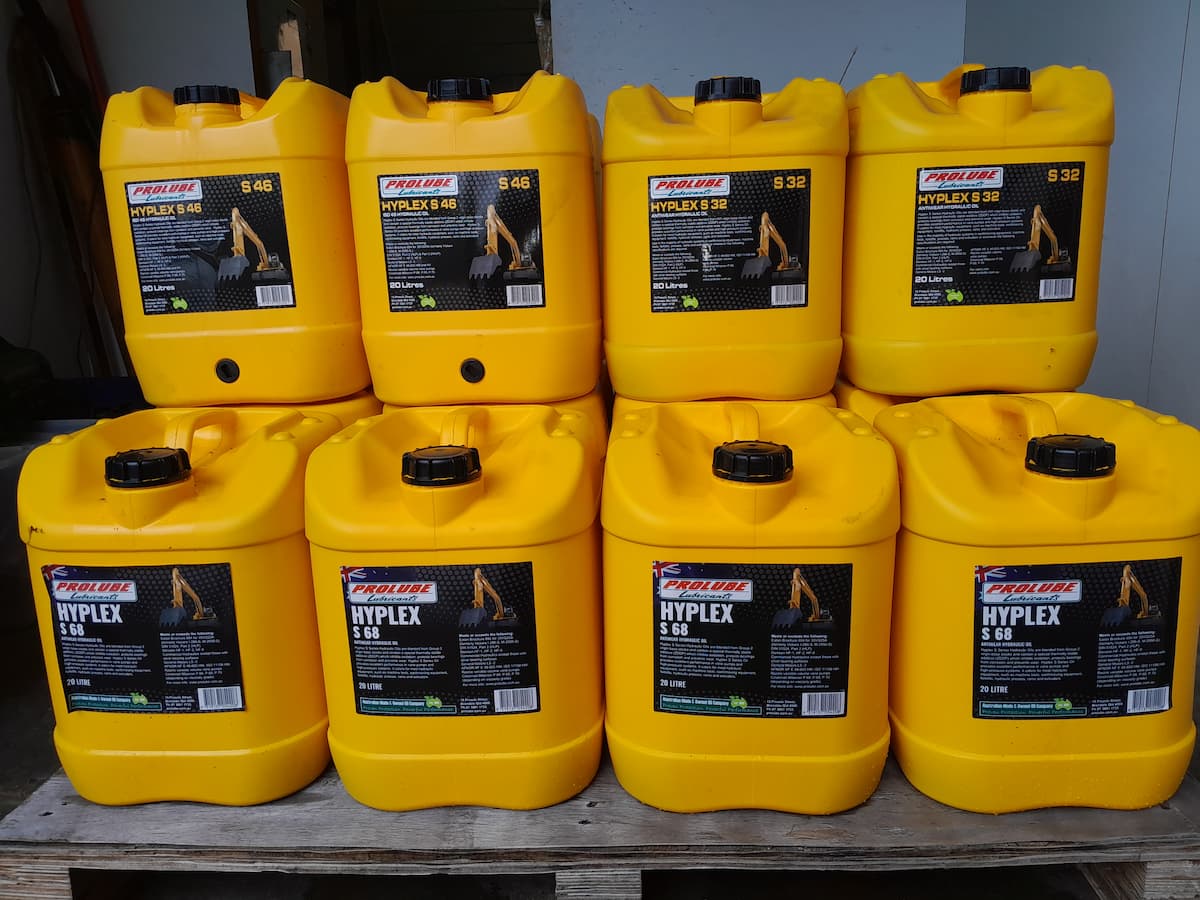
Seal kits, hoses, fittings, hydraulic oil and pumps kept on hand for faster repairs.
Hydraulic Components Replacement
Geoff has repaired hydraulic equipment across farming, earthmoving, landscaping and industrial sectors for decades.
Trusted across Caboolture and Moreton Bay
Operators rely on us because we explain the issue clearly and repair it properly.
Learn More
Learn more about Geoff on the About Us page.
Our Hydraulic Equipment Repair Process
Step 1.
Contact and Initial Discussion
Explain the symptoms. Photos and videos help speed up diagnosis.
Step 2.
Bring the Equipment or Component
Machines or individual components such as cylinders, pumps or hoses may be dropped off.
Step 3.
Testing and Diagnosis
We run flow tests, pressure tests and contamination checks to find the cause.
Step 4.
Repair or Replacement
Work proceeds based on the most practical, long lasting and cost effective solution.
Step 5.
Testing and Return to Work
Your hydraulic equipment is tested under load to ensure it performs reliably.
Hydraulic Equipment FAQs
What is hydraulic equipment?
Any component that creates, controls or delivers hydraulic power including pumps, cylinders, motors, hoses, valves and piping.
Do you repair all hydraulic equipment?
Yes. We repair hydraulic equipment used in farming, earthmoving, landscaping, civil, industrial and council machinery.
Do you offer hydraulic servicing as well as repairs?
Yes. We provide complete hydraulic servicing including oil changes, seal replacement, leak checks and preventative maintenance.
Can hydraulic equipment be repaired quickly?
Repairs are often fast when parts are in stock. Early diagnosis prevents delays.
Do you stock hydraulic components?
Yes. We keep seal kits, hoses, fittings, hydraulic oil, valves and related components in the Caboolture workshop.
Book Your Hydraulic Equipment Repair
A hydraulic problem will not fix itself.
The longer it continues, the more damage it may cause to pumps, motors, cylinders and attachments.
Visit the Contact Us page to book hydraulic equipment repairs or request a quote.