
Hydraulic Pump Repairs Caboolture
- Restore pressure, flow and lifting power before performance drops further
- Fast, accurate diagnosis that prevents major pump and system failures
- Trusted hydraulic specialist serving Caboolture and the entire Moreton Bay region
Need help now? Visit our Contact Us page to book a repair.
Please call us for same day service
When a Hydraulic Pump Starts to Fail… Everything Else Begins to Slide
Hydraulic pumps rarely fail without warning.
The warning signs begin small. A slow lift. A faint whine. A little more heat than usual.
Barely noticeable at first.
Most operators keep going because work must continue.
Until the symptoms get worse.
The machine slows. Attachments struggle. Oil darkens. Pressure fluctuates.
Soon the pump is fighting itself, starving the system of flow and dragging the entire machine down with it.
And once the pump reaches this point, the damage does not stay in the pump.
It spreads rapidly through the entire hydraulic system, turning one small issue into a major breakdown:
Cylinders drift under load
As pump pressure weakens, cylinders can no longer hold position. Implements sink, buckets creep downward, attachments sag and lifting jobs become unsafe. What starts as slow drift may quickly become total loss of lifting ability.
Oil begins to foam and overheat
When a pump cannot maintain clean, consistent flow, air is drawn into the oil and heat skyrockets. Foamy oil reduces lubrication, causes violent pressure fluctuations and accelerates wear on every component in the system.
Motors lose torque and stall
Hydraulic motors rely on stable flow and pressure. As the pump deteriorates, motors may start to slow, vibrate, chatter or stall completely. Continued use under these conditions often leads to internal scoring and premature failure.
Filters clog with metal flakes and contamination
As the pump wears internally, microscopic metal shavings enter the oil. Filters become overloaded, restricting flow even further. Once metal circulation begins, the entire system is at risk — cylinders, valves, motors and spools may all become contaminated.
Hoses begin to burst from pressure spikes
A failing pump causes rapid pressure surges as it struggles to maintain output. These spikes put enormous strain on hoses and fittings. What begins as a small vibration or bulge may suddenly become a full hose burst, dumping oil and stopping work instantly.
A failing pump pulls the entire hydraulic system downhill fast.
The only way to stop the slide is a proper hydraulic diagnosis.
Common Warning Signs Your Hydraulic Pump Is Failing
Slow or weak hydraulics
Movement becomes sluggish and attachments no longer lift as they should. This usually means the pump is losing flow or bypassing internally.
Hydraulic system running hot
Heat appears when the pump is working harder than it should, often due to internal wear or contamination restricting flow.
Whining, grinding or rattling noises
These sounds often point to cavitation, air entering the system, bearing wear or starvation. Once the noise begins, internal damage may already be progressing.
Loss of pressure under load
The pump cannot maintain force during heavy tasks. Pressure drops quickly during lifting or pushing.
Jerky or inconsistent movement
A sign of internal scoring, worn vanes, damaged pistons or contaminated hydraulic oil.
Discoloured or foamy hydraulic oil
Air, water or metal particles inside the oil accelerate wear at a frightening pace.
Each issue above follows the same pattern: small problem first, expensive failure next.
What Our Hydraulic Pump Repair Service Includes
A hydraulic pump is the heart of your machine.
When it weakens, everything becomes a struggle.
Our repair process is designed to catch issues early and restore performance before the damage spreads.
Pump Performance Testing
We measure flow and pressure properly to confirm whether the pump is the true cause or if another component in the system is creating the issue. This stops unnecessary spending.
Full Pump Inspection and Teardown
If required, the pump is dismantled completely. Internal scoring, wear patterns, contamination and bearing damage are identified with accuracy.
Pump Rebuilds and Component Replacement
We replace worn pistons, vanes, seals, plates and bearings to restore the pump’s ability to build flow and pressure.
Replacement Advice When Repair Is Not Viable
Some pumps are too worn or too damaged to justify repair. In those cases, we guide you toward a cost effective replacement rather than throwing money into a dying component.
System Flushing and Hydraulic Servicing
If the pump has contaminated the oil, failing to flush the system may cause the new pump to fail early. We clean, flush and service the system so the repaired or replaced pump has the best chance of lasting.
Hydraulic Pumps We Repair
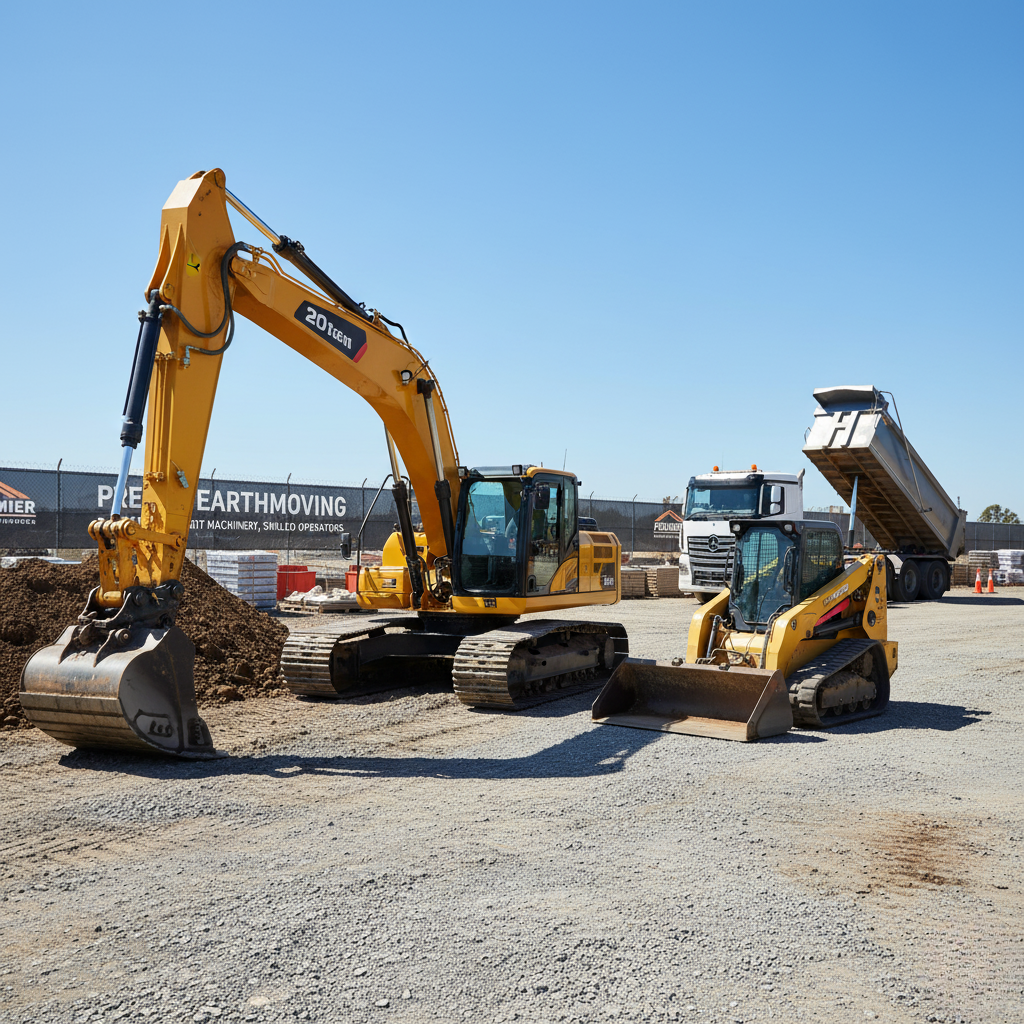
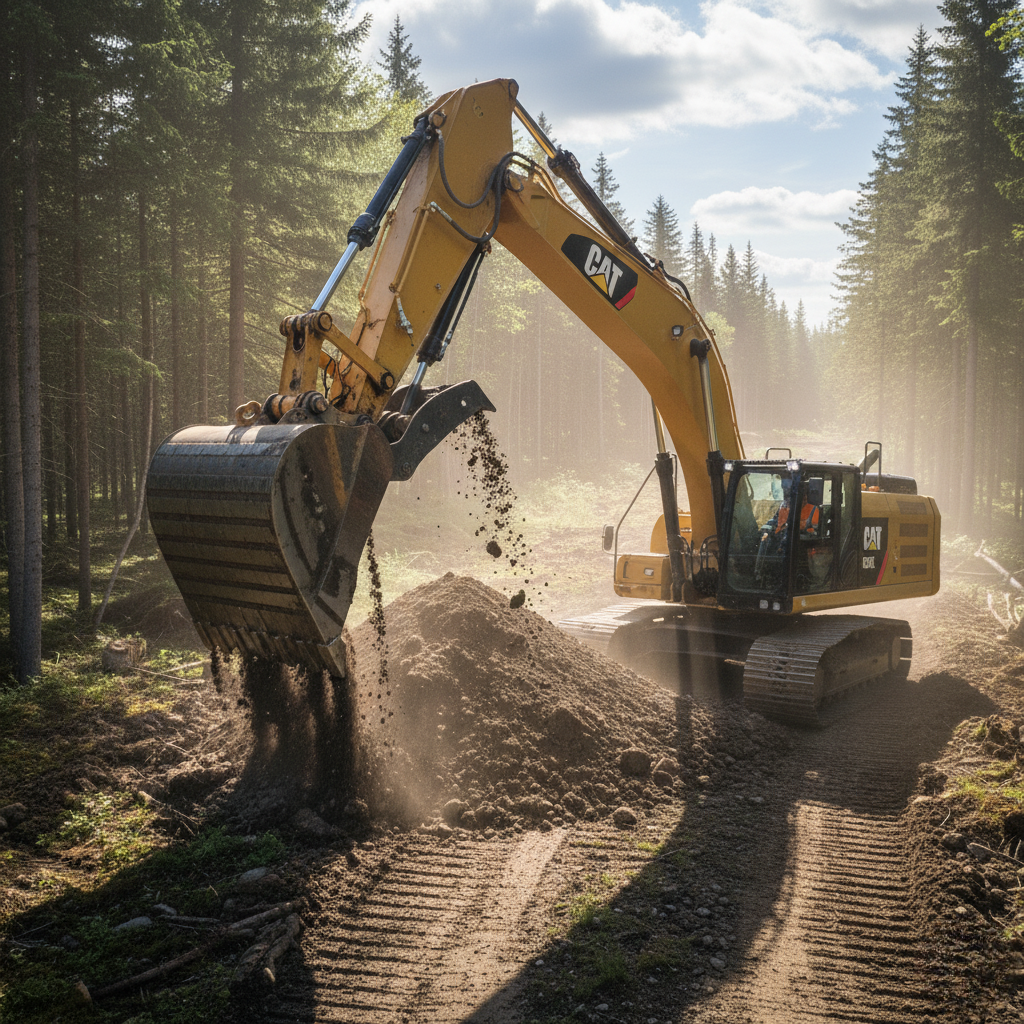
We work on pumps used in farming equipment, earthmoving machinery, landscaping gear, civil equipment, industrial machinery and utility vehicles.
This includes:
Gear pumps
Common in tractors, loaders and many agricultural machines. These pumps are simple, reliable and cost effective, but once the internal gears wear or score, they begin to lose flow rapidly. A worn gear pump may feel “weak” at first before it quickly loses the ability to lift or steer under load.
Vane pumps
Often found in industrial equipment, skid steers and some utility machinery. Vane tips wear down quietly over time until the pump no longer creates proper suction. Once vanes begin to chip or collapse, the entire machine becomes jerky and unpredictable.
Piston pumps
Used in high performance machinery such as excavators, larger tractors and high pressure attachments. These pumps provide strong, consistent flow but are vulnerable to contamination. Even a small amount of dirt or water may damage pistons or plates, leading to rapid internal wear and complete system failure if ignored.
Multi stage pumps
Common in machinery that performs multiple hydraulic functions at once, such as combined steering, lifting and auxiliary systems. When one stage weakens, the entire machine may slow down or struggle. If left untreated, the failing stage may overload the others and cause multi system collapse.
High pressure auxiliary pumps
Used for implements, attachments, drills, grapples and heavy lifting tasks. These pumps work under extreme pressure and heat. Any sign of weakness, noise or vibration often means internal damage is already underway and may escalate quickly under load.
If your pump is not listed, we repair it.
Hydraulic pumps all fail for similar reasons, and the underlying system principles remain the same: the key is diagnosing the cause before the damage spreads.
Why Hydraulic Pumps Fail (And Why It Accelerates Quickly)
We work on pumps used in farming equipment, earthmoving machinery, landscaping gear, civil equipment, industrial machinery and utility vehicles.
This includes:
Gear pumps
Common in tractors, loaders and many agricultural machines. These pumps are simple, reliable and cost effective, but once the internal gears wear or score, they begin to lose flow rapidly. A worn gear pump may feel “weak” at first before it quickly loses the ability to lift or steer under load.
Vane pumps
Often found in industrial equipment, skid steers and some utility machinery. Vane tips wear down quietly over time until the pump no longer creates proper suction. Once vanes begin to chip or collapse, the entire machine becomes jerky and unpredictable.
Piston pumps
Used in high performance machinery such as excavators, larger tractors and high pressure attachments. These pumps provide strong, consistent flow but are vulnerable to contamination. Even a small amount of dirt or water may damage pistons or plates, leading to rapid internal wear and complete system failure if ignored.
Multi stage pumps
Common in machinery that performs multiple hydraulic functions at once, such as combined steering, lifting and auxiliary systems. When one stage weakens, the entire machine may slow down or struggle. If left untreated, the failing stage may overload the others and cause multi system collapse.
High pressure auxiliary pumps
Used for implements, attachments, drills, grapples and heavy lifting tasks. These pumps work under extreme pressure and heat. Any sign of weakness, noise or vibration often means internal damage is already underway and may escalate quickly under load.
If your pump is not listed, we repair it.
Why Hydraulic Pumps Fail (And Why It Accelerates Quickly)
Hydraulic pumps fail due to small issues that snowball into major failures:
Oil contamination
Dirt, metal shavings or debris in the oil act like sandpaper inside the pump. What begins as slight wear quickly becomes scoring, metal-on-metal friction and collapsing internal surfaces. Contaminated oil then circulates through the entire system, damaging cylinders, motors and valves.
Running low on hydraulic oil
Low oil means the pump sucks air instead of clean fluid. This causes cavitation, heat, starvation and rapid internal wear. Even a short period of low oil may create damage that spreads through every component the oil touches.
Air entering the system
Air pockets cause violent pressure spikes and inconsistent flow. The pump struggles to maintain suction, causing foaming, heat and metal fatigue. Air also accelerates oxidation inside the oil, shortening component life dramatically.
Water in the oil
Water dilutes hydraulic oil and destroys lubrication. It promotes rust and corrosion internally, causes seal swelling and breaks down protective additives. Water contamination often goes unnoticed until major components fail.
Cavitation from blocked intakes
A blocked suction filter or collapsed hose starves the pump of fluid. Cavitation causes the pump to tear itself apart as vapour bubbles implode inside the housing. Once cavitation begins, failure accelerates rapidly.
Overheating from overloading
Heat thins hydraulic oil, reducing lubrication. Thin oil allows metal surfaces to score and wear faster. Overheating is one of the fastest ways to destroy a pump, especially under heavy work.
Worn internal components
Vanes, pistons, gears and bearings wear from normal use, but the process speeds up dramatically with contamination or low oil. Once wear begins, the pump loses efficiency suddenly and often catastrophically.
Using the wrong oil grade
Oil that is too thin, too thick or not suited to the machine causes pressure issues, aeration, poor lubrication and unpredictable performance. Wrong oil grades quietly destroy pumps long before operators notice a problem.
Why Operators Choose Caboolture Hydraulics for Pump Repairs
Accurate testing that prevents wasted money
We confirm the real fault before recommending repairs. No guessing. No unnecessary replacements.
Local workshop with stocked components
We keep hydraulic oil, hoses, fittings, seal kits and related hydraulic components in the Caboolture workshop to reduce waiting times.
Hands on experience across all machinery types
Geoff has repaired hundreds of pumps used in tractors, loaders, excavators, Bobcats, slashers and industrial equipment.
Clear repair or replace guidance
We explain the smartest option based on cost, longevity and machine value.
Trusted across farming, earthmoving, landscaping and civil work
Local operators rely on us because we fix the real issue properly, not the symptom.
Our Hydraulic Pump Repair Process
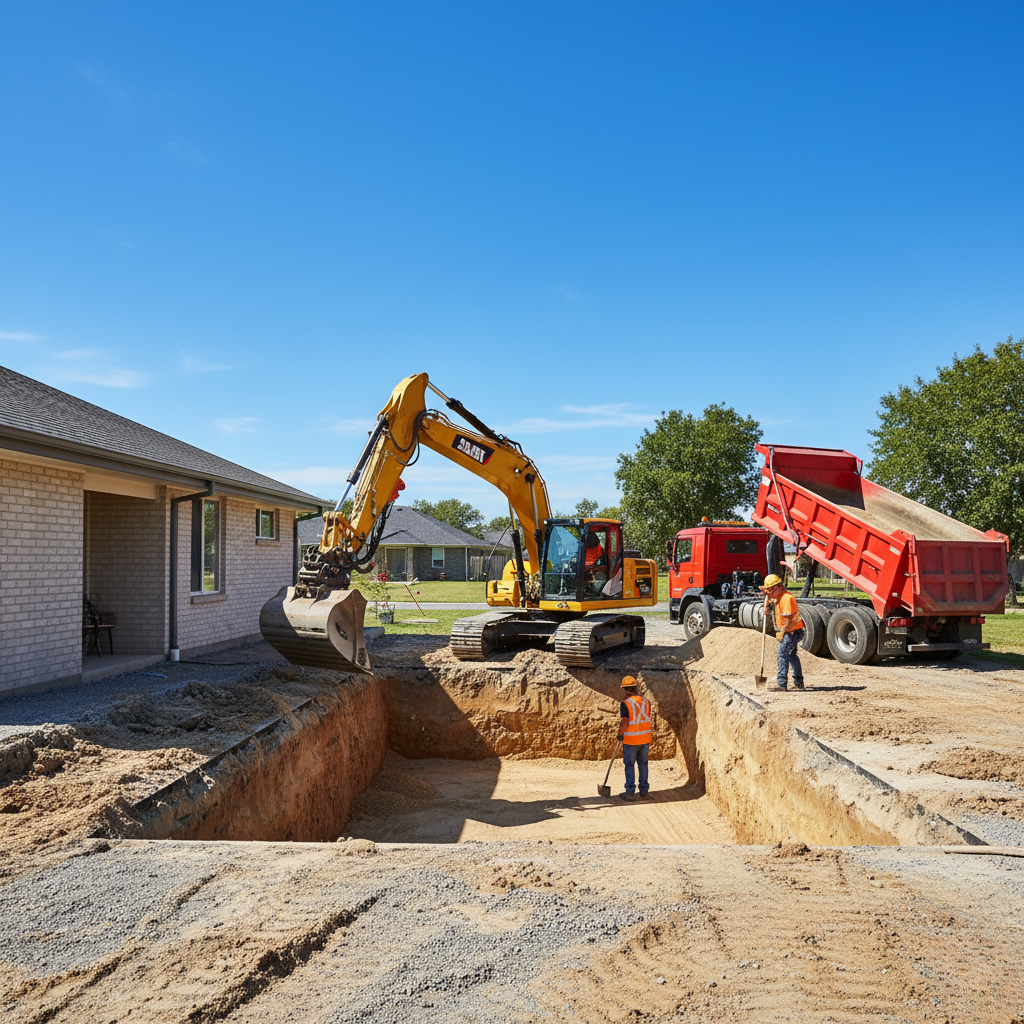
We provide complete hydraulic servicing and repairs for all equipment types including tractors, excavators, Bobcats, skid steers, slashers, loaders, industrial machinery and council equipment.
Hydraulic Equipment Diagnosis
We test flow, pressure, contamination levels and bypassing issues to identify the true cause of failure.
Hydraulic Equipment Repairs
Repairs for cylinders, pumps, motors, hoses, fittings, valves, piping and associated components.
Hydraulic Servicing
Oil changes, filter replacement, seal replacement, leak checks and system maintenance to prevent future failures.
Hydraulic Components Replacement
High quality hoses, fittings, seal kits, pumps, motors, valves and hydraulic components stocked locally to reduce downtime.
Hydraulic System Overhauls
Full inspections and rebuilds for machines suffering long term wear or contamination.
Great Local Reviews
“Marty was very helpful, turned up on time and did the job with no problems. Highly recommend Foster’s Earthworks.”
Our Hydraulic Pump Repair Process
Step 1.
Contact and Initial Discussion
Reach out through the Contact Us page. A quick conversation or video often reveals early clues.
Step 2.
Bring the Pump or the Whole Machine
Most operators bring only the pump to save time, but the full machine is welcome if needed for testing.
Step 3.
Diagnosis and Testing
Pressure tests, flow tests and contamination checks confirm the root cause.
Step 4.
Repair, Rebuild or Replacement
Work proceeds based on the most practical and cost effective pathway.
Step 5.
Final Testing and Return to Work
Your machine or pump is tested under load to ensure it is ready for real work.
Hydraulic Pump FAQs
What is a hydraulic pump used for?
A hydraulic pump is used to create the flow and pressure that power the hydraulic functions on a machine. It supplies the energy needed for lifting, pushing, steering, tilting, rotating and operating attachments.
Without the pump, nothing hydraulic on the machine would move.
Hydraulic pumps power things like:
• Loader arms
• Buckets and blades
• Cylinders and rams
• Trenchers and augers
• Steering systems
• Implements and attachments
If the pump stops working, the entire hydraulic system stops with it.
What are the main types of hydraulic pumps?
The three most common types of hydraulic pumps used in machinery are:
Gear pumps
Reliable and cost effective. Common in tractors, loaders and agricultural machinery.
Vane pumps
Used in industrial equipment and some utility machines. Smooth operation but sensitive to contamination.
Piston pumps
High performance pumps found in excavators, larger loaders and machines that require strong, stable pressure.
There are also multi stage pumps and high pressure auxiliary pumps for specialised work.
What is the common problem of a hydraulic pump?
The most common hydraulic pump problems include:
- Loss of pressure or weak lifting
- Overheating and foamy oil
- Noisy operation such as whining or rattling
- Contamination from dirt or metal particles
- Cavitation caused by low oil or blocked suction
- Internal wear that reduces flow
These issues usually start small and gradually get worse, often affecting cylinders, motors and valves if left untreated.
How much horsepower do you need to run a hydraulic pump?
There is no single horsepower requirement because it depends on the size of the pump, the pressure it must run at, and the flow rate the machine needs.
In general, higher pressure and higher flow require more engine power.
A hydraulic specialist may help calculate what is suitable for a particular machine or application.
How do I determine what size hydraulic pump I need?
Choosing the correct pump size depends on several factors:
- The flow rate your machine or attachment requires
- The operating pressure needed under load
- The size and duty cycle of your cylinders or motors
- The capabilities of the tractor or machine powering the pump
- The type of work you are doing (lifting, digging, steering, running attachments)
A pump that is too small may struggle and overheat.
A pump that is too large may overload the engine or produce unstable pressure.
Most operators work with a hydraulic specialist to confirm the right pump size for their needs so the entire system performs correctly and safely.
Book Your Hydraulic Pump Repair
A hydraulic pump will not fix itself.
The longer the warning signs continue, the more damage spreads through the system.
A quick diagnosis may prevent a complete pump failure and thousands in repairs.
Visit the Contact Us page to book your hydraulic pump repair or request a quote.